Decolab’s Journey Begins: Reflections on Our Launch Event and the Path Ahead
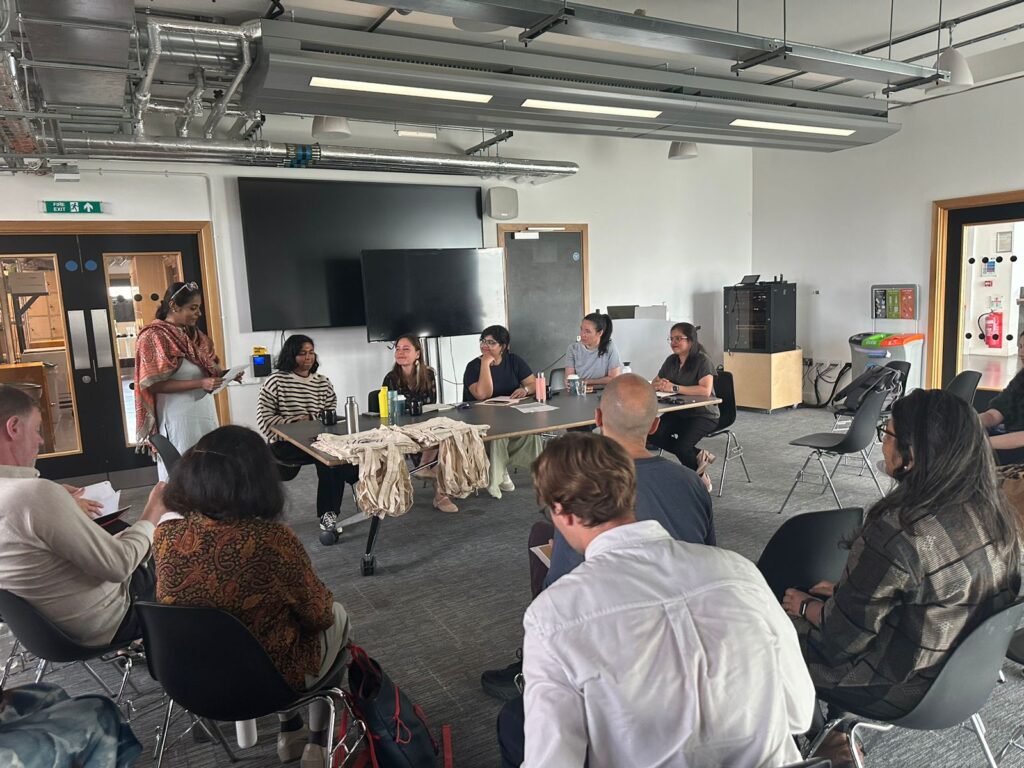
The launch of Decolab initiative marked the beginning of an exciting journey towards redefining urban studies and architectural education through a decolonial lens. Held recently, the event drew a vibrant and diverse crowd from UCL and beyond, signalling strong support and interest in our mission. This blog post reflects on the event’s highlights, the inspiring discussions that took place, and the path we are charting for the future.
An Inspiring Inaugural Lecture by Dr. Althea-Maria Rivas

We were deeply honoured to have Dr. Althea-Maria Rivas from SOAS University of London deliver the inaugural lecture for our launch event. Her talk, titled “Reclaiming the Decolonial Vision and Praxis,” was a thought-provoking exploration of the complexities and challenges of decolonisation elaborating on the politics of knowledge production and justice focusing on epistemologies and methodologies for the same. She stressed that though the project of decolonisation is neither easy nor fast, however, it is rooted in a hope for a better future. Dr. Rivas concluded with a powerful quote from Frantz Fanon: “Decolonisation is a program of absolute disorder and there is pride in engaging with that dialogue and practice.” This resonant statement set the stage for the day, embodying the spirit of disruption and transformation that is at the heart of Decolab’s mission.
We were deeply honoured to have Dr. Althea-Maria Rivas from SOAS University of London deliver the inaugural lecture for our launch event. Her talk, titled “Reclaiming the Decolonial Vision and Praxis,” was a thought-provoking exploration of the complexities and challenges of decolonisation elaborating on the politics of knowledge production and justice focusing on epistemologies and methodologies for the same. She stressed that though the project of decolonisation is neither easy nor fast, however, it is rooted in a hope for a better future. Dr. Rivas concluded with a powerful quote from Frantz Fanon: “Decolonisation is a program of absolute disorder and there is pride in engaging with that dialogue and practice.” This resonant statement set the stage for the day, embodying the spirit of disruption and transformation that is at the heart of Decolab’s mission.
Showcasing Our Vision: A Glimpse into Decolab’s Projects
The event also provided an invaluable opportunity to showcase the work we are undertaking through Decolonial Dialogue, Reimagining Narratives and the Global Studio, designed to challenge existing paradigms in city-making and architectural education.
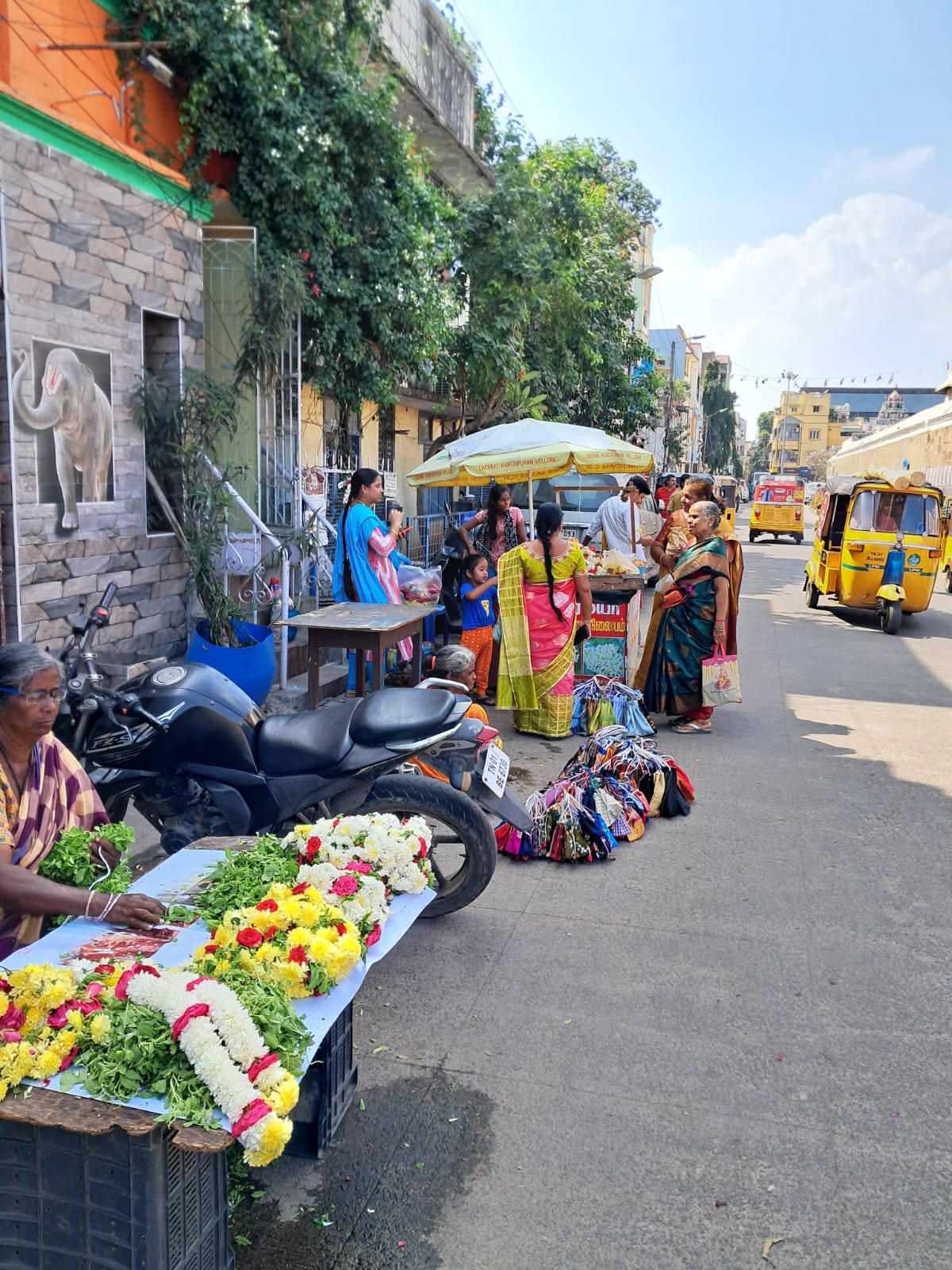
Decolonial Dialogues: An ensemble of research projects that focus on global dynamics to everyday practices constitute the decolonial dialogues. During the launch, we provided a glimpse into the project – Transgressing “What is a good city” that formed the basis for building the Decolab Initiative. This project was initiated in 2022 and is funded by the British Academy. We discussed the focus of the study which is about the impact of colonial legacies on people’s experience and engagement with public spaces focusing on the postcolonial context of Chennai in India. We presented the decolonial lens as the key methodological approach and concluded by highlighting the most recent updates for the project.
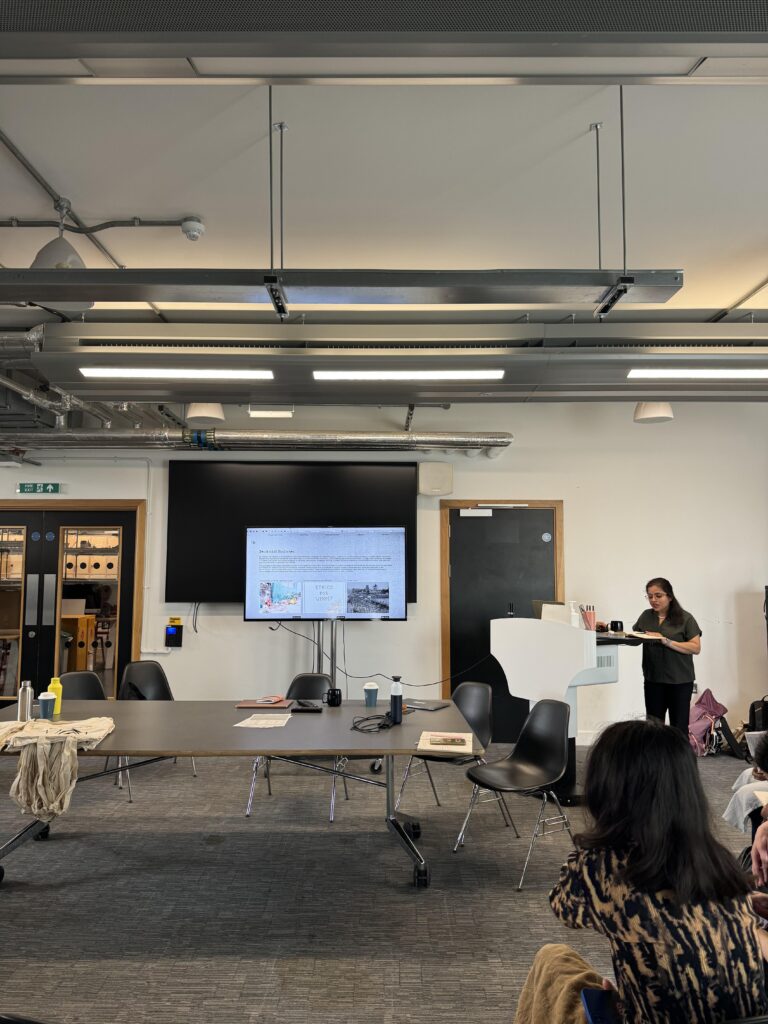
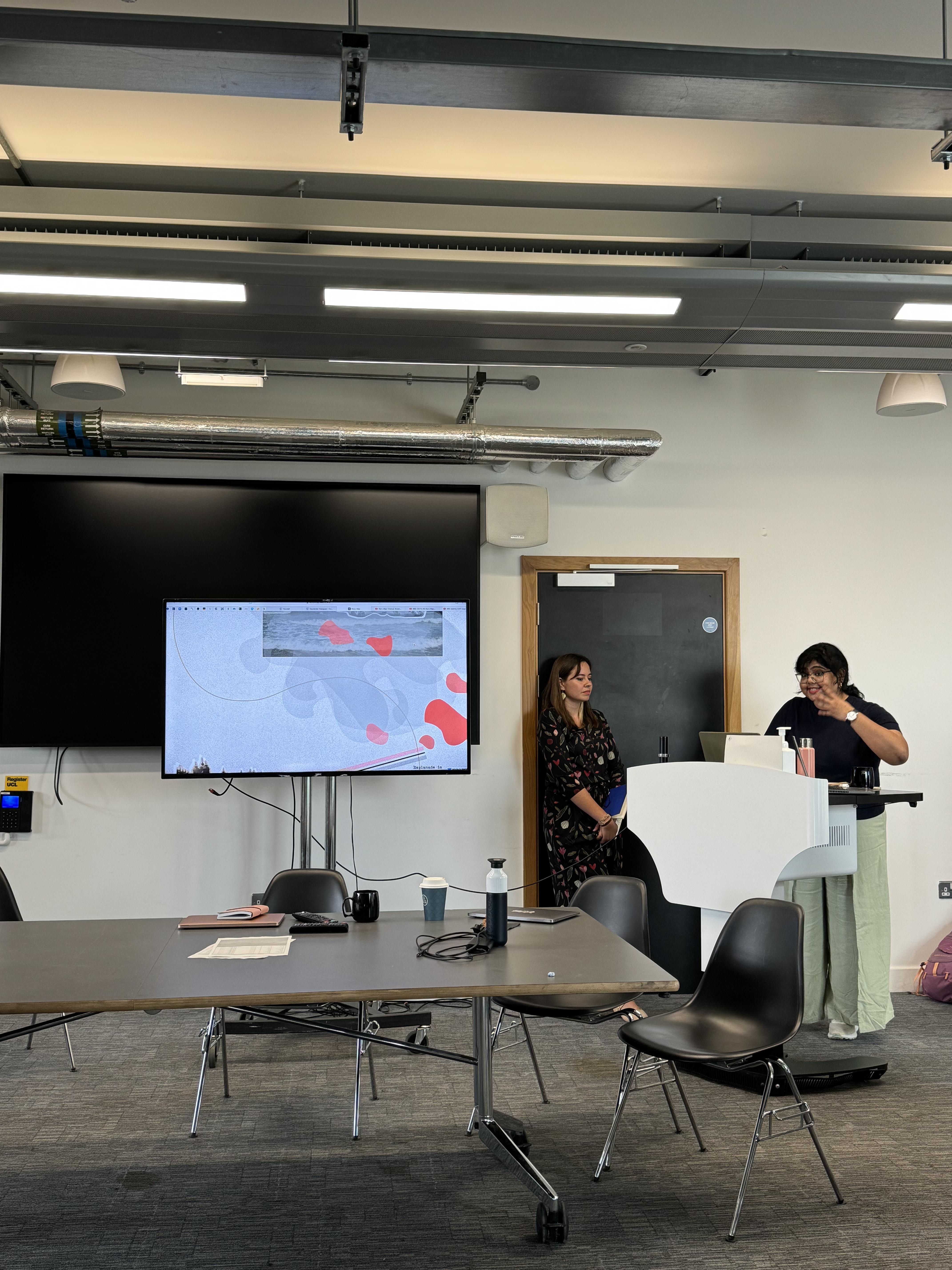
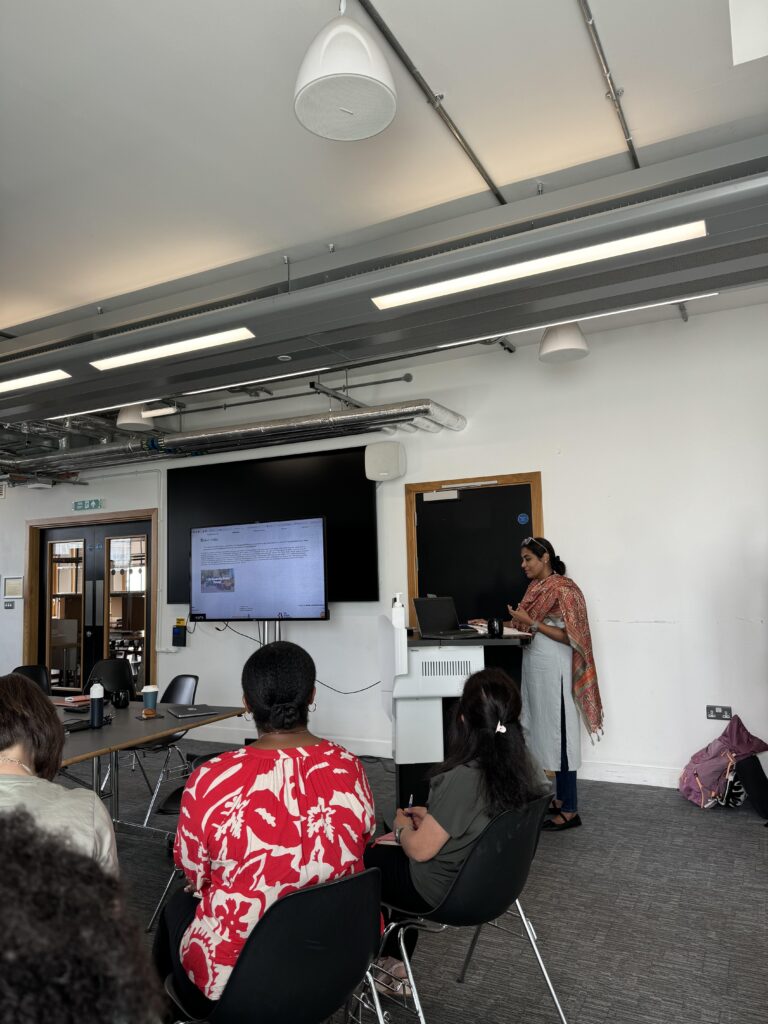
Reimagining Narratives: Here deconstructing the conventional stories and approaches that shape our understanding and experiences of the built environment. By reimagining narratives, we seek to create alternative frameworks that engage with diverse histories, practices, socio-political structures and experiences of different communities.
Global Studio: As an innovative educational initiative, the Global Studio explores alternative ways of teaching and learning in the built environment discipline. This approach aims to foster a more inclusive and transformative learning experience that challenges traditional educational practices.
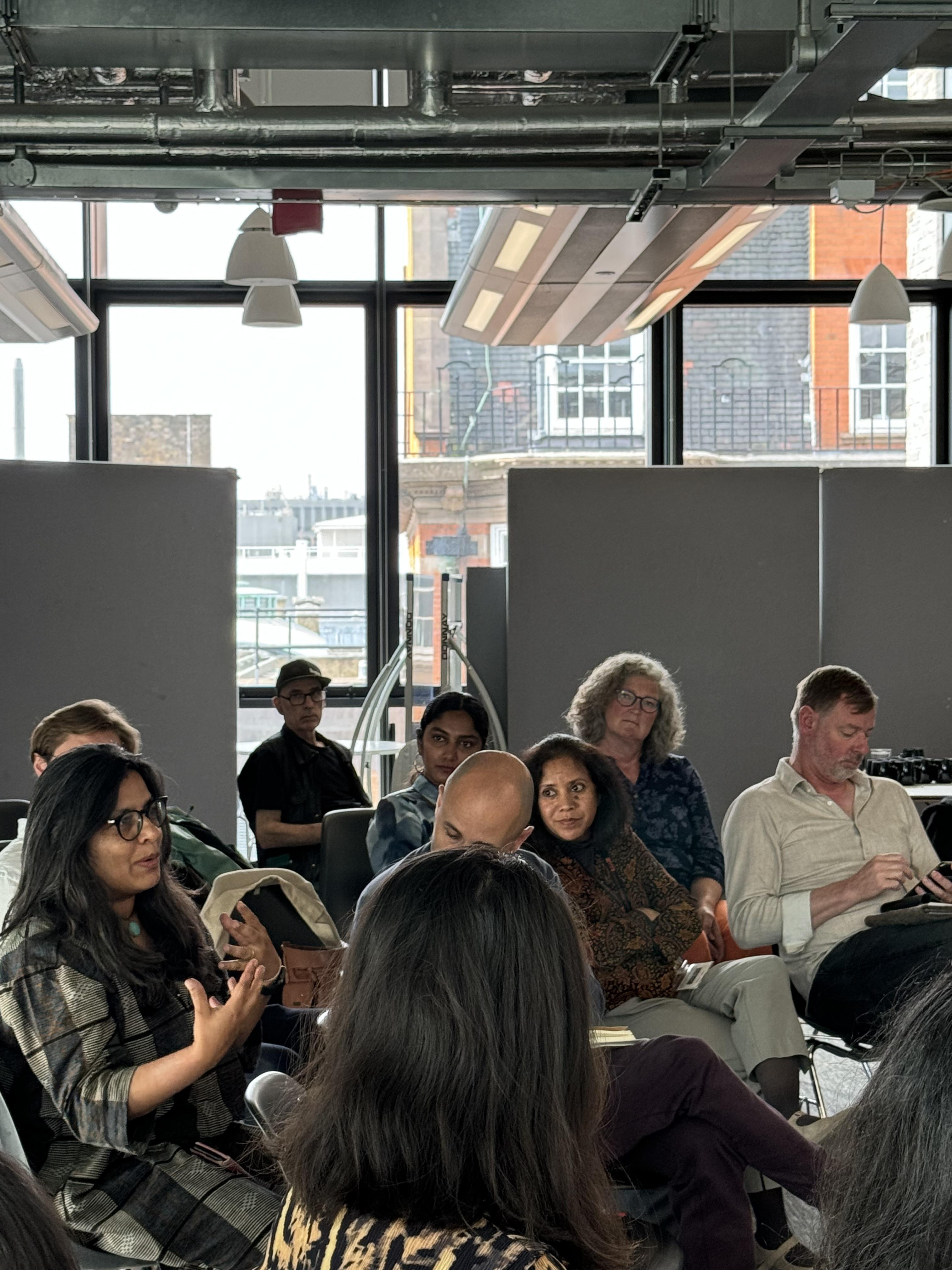
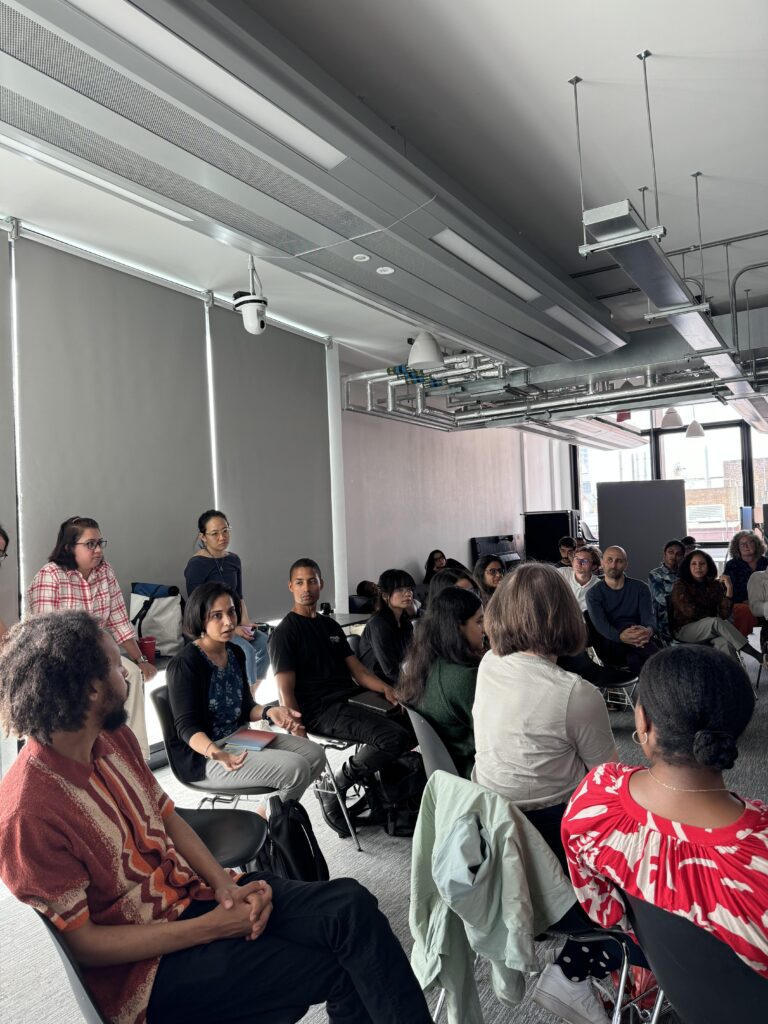
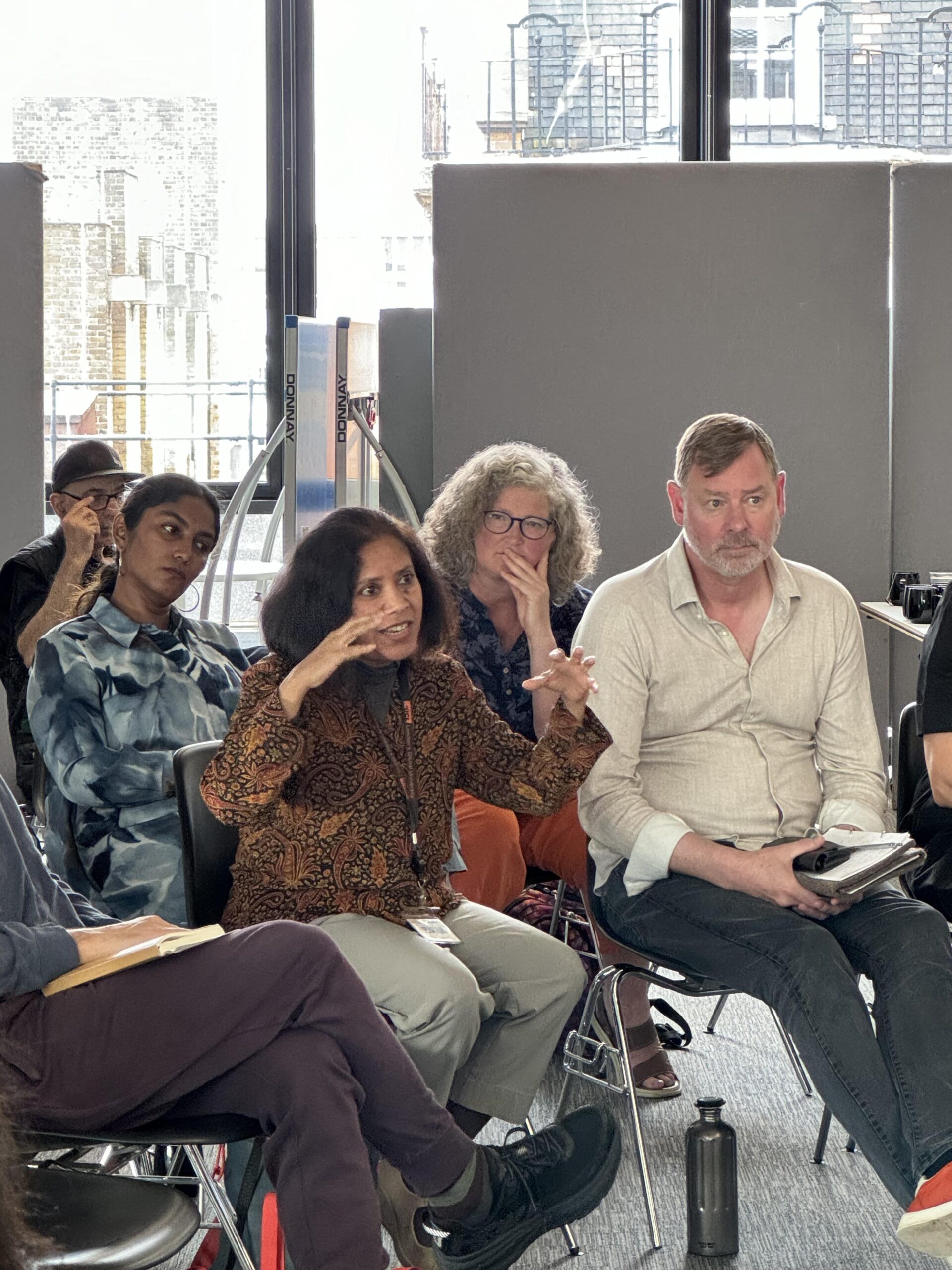
The discussions around our initiative and framing of decolonial thinking in education, research and practice were vibrant and insightful, demonstrating the interdisciplinary nature of our work. We were thrilled to see participants from a wide range of fields—including anthropology, architecture, engineering, historical studies, and urban design—engage with our ideas and contribute their perspectives. This rich exchange of ideas highlighted the impact of our initiatives across multiple disciplines. One of the most exciting aspects of the launch event was the interest expressed by researchers from the Global South. Their enthusiasm for our initiative underscored the timeliness and relevance of our work, particularly in addressing the unique challenges faced by communities in these regions. The insights and perspectives shared by these researchers added depth to our discussions and reinforced the global significance of our mission.
Capturing the Moment: Live Illustration at Decolab’s Launch
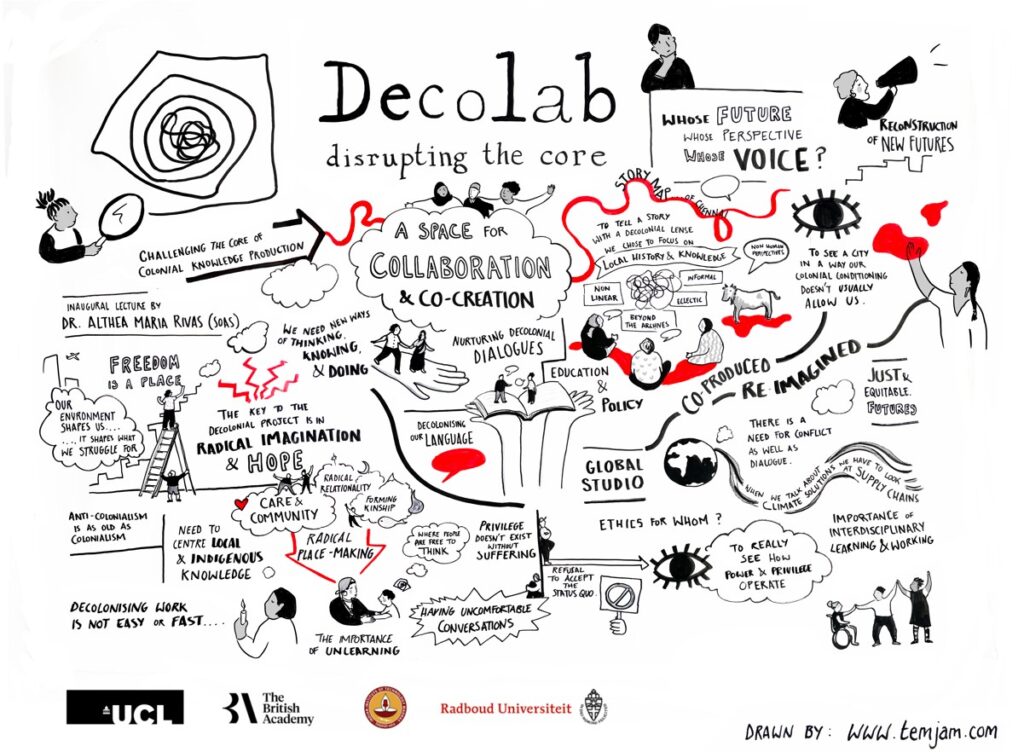
One of the most unique and creative elements of our Decolab launch event was the live illustration by the talented artist Temujen Gunawardena. As the event unfolded, Temujen’s illustrations became a dynamic canvas that brought the discussions to life in a way that words alone could not capture. Her work did more than just document the event; it creatively encapsulated the essence of the conversations, the energy of the participants, and the key themes that define Decolab’s mission.
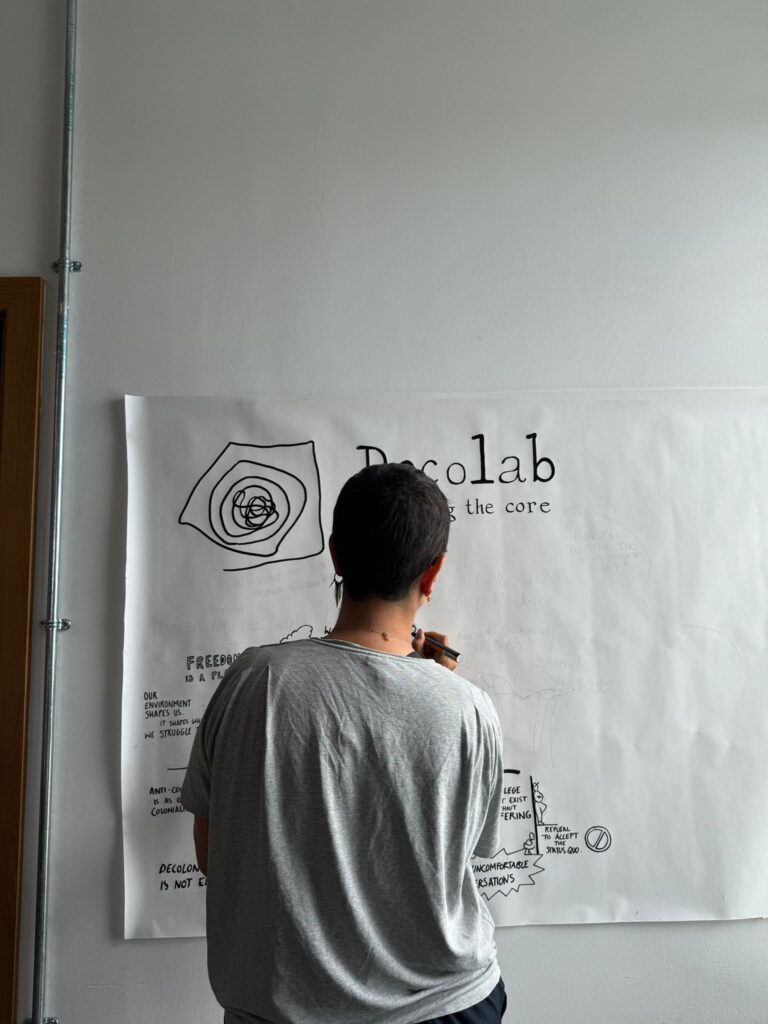
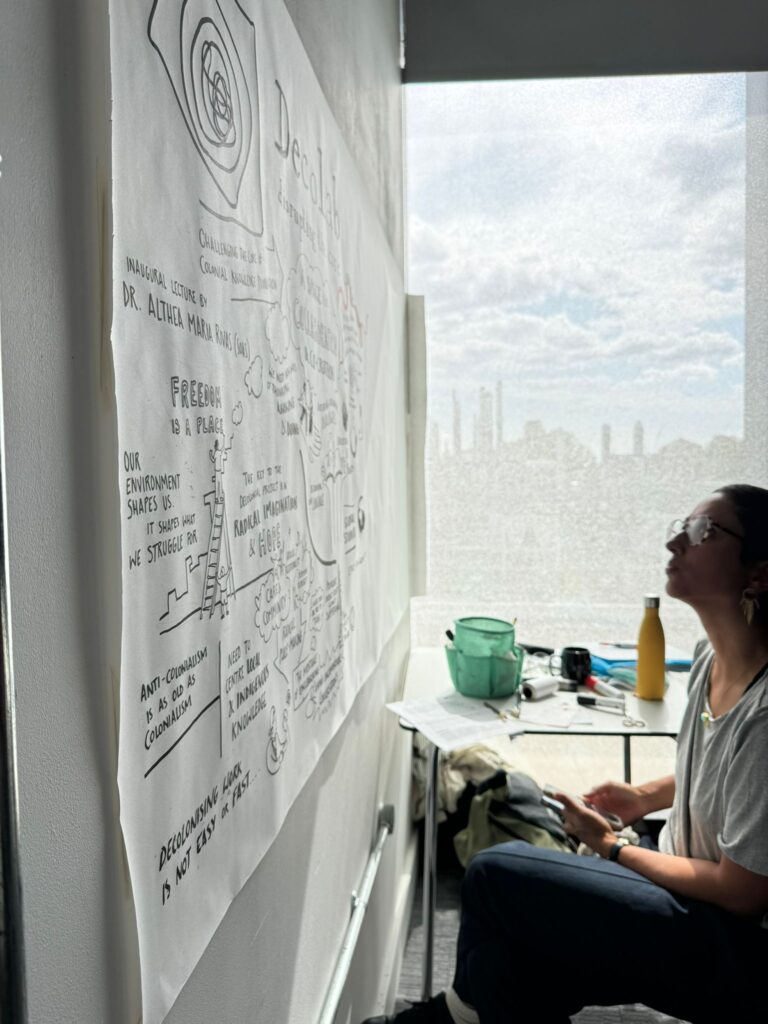
Temujen’s art also captured the deeper meaning of what Decolab represents. Through her illustrations, the concept of disrupting colonial knowledge production was brought to life, showing the ways in which Decolab seeks to challenge and reimagine the narratives that shape our cities and environments. The intricate details in her work symbolised the multifaceted approach of Decolab—an approach that weaves together diverse perspectives, disciplines, and methodologies to create a more inclusive and equitable future.
The live illustrations didn’t just reflect the content of the talks; they also interacted with the discussions happening in real-time. Temujen’s work beautifully illustrated how Decolab is a space for these diverse voices to converge, collaborate, and co-create new ways of thinking and doing.
The illustrations also served as a creative reflection of the key themes that emerged during the event and acted as a visual summary of the event, allowing participants to see the connections between the various ideas and discussions that took place. It provided a holistic view of the event, showing how each contribution—whether from a speaker, participant, or the audience—was part of a larger, interconnected dialogue about decolonisation and alternative future imaginaries.
Continuing the Conversation: An Invitation to Collaborate
As the event drew to a close, we extended a heartfelt invitation to all attendees to continue the conversation and explore avenues for collaboration with Decolab. We encouraged participants to reach out to our team with their ideas, insights, and potential projects that resonate with our mission of challenging and reimagining urban narratives through a decolonial lens.
This event was not just a singular moment but the beginning of an ongoing dialogue—a call to action for scholars, practitioners, and students alike to engage with and contribute to the work of Decolab. We are excited about the possibilities that lie ahead and are eager to work together with others who share our commitment to fostering inclusive, innovative, and transformative approaches to urban studies and beyond.
We believe that the strength of our initiative lies in the diversity of voices and perspectives, and we look forward to building on the connections made during the launch. Whether through future seminars, collaborative projects, or simply sharing ideas, we invite everyone to join us in shaping the future of our cities and communities. Let’s continue this journey together, making strides toward a more equitable and just world.
Thank you and Acknowledgements
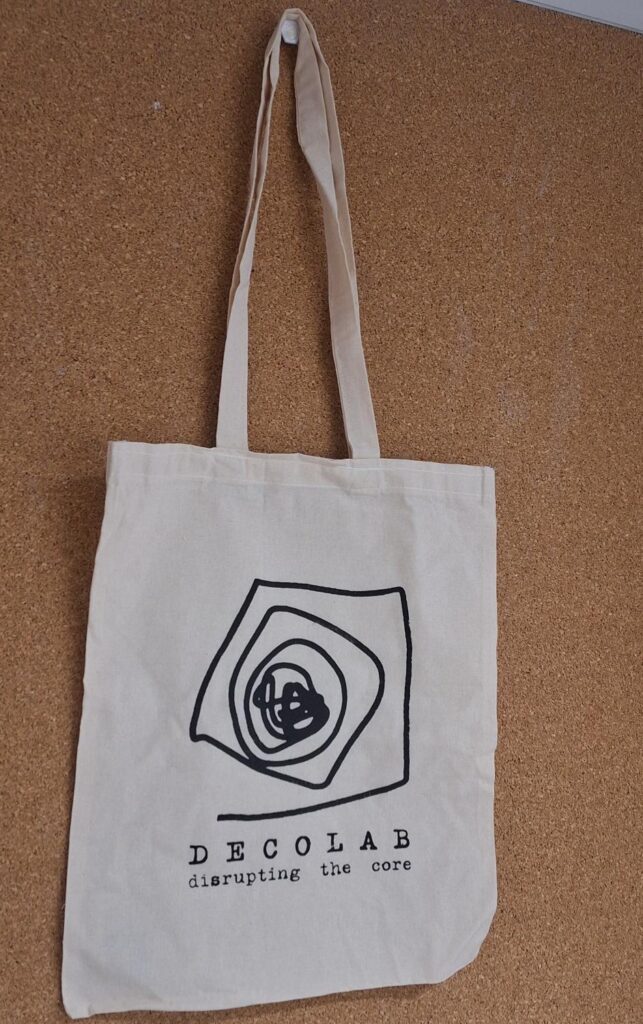
We would like to extend our deepest thanks to everyone who made the launch event a success. Special thanks go to my BSA colleagues who attended the event despite being on annual leave—your support means the world to us. We also wish to acknowledge the all-women self-help collective Paalaguttapalle Bags from Andhra Pradesh, India, who handmade and printed the bags featuring our logo. These bags, which symbolise our commitment to disrupting colonial knowledge production, were a meaningful addition to the event.